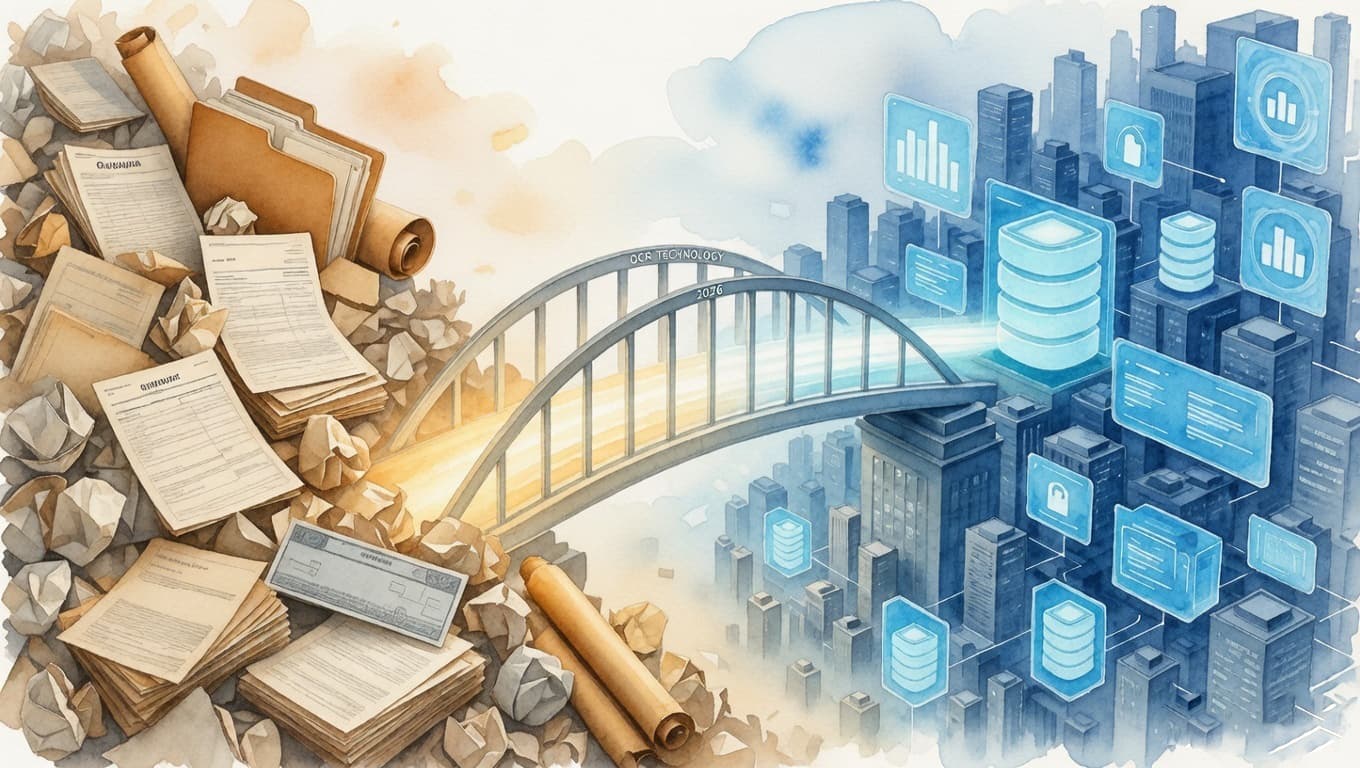
OCR AND VLM FOR DOCUMENT EXTRACTION IN 2026
OCR is still king for speed + scale + cost in 2026 — huge market, unbeatable for high-volume clean-text extraction, and the reliable backbone of automation. VLMs are exploding in capability and intelligence — eating into advanced document AI, visual agents, and anything that needs real "understanding" instead of just "reading". Most winning real-world systems in 2026 are hybrids: OCR for fast bulk extraction → VLM for validation, context, complex layout, reasoning, and structured output.

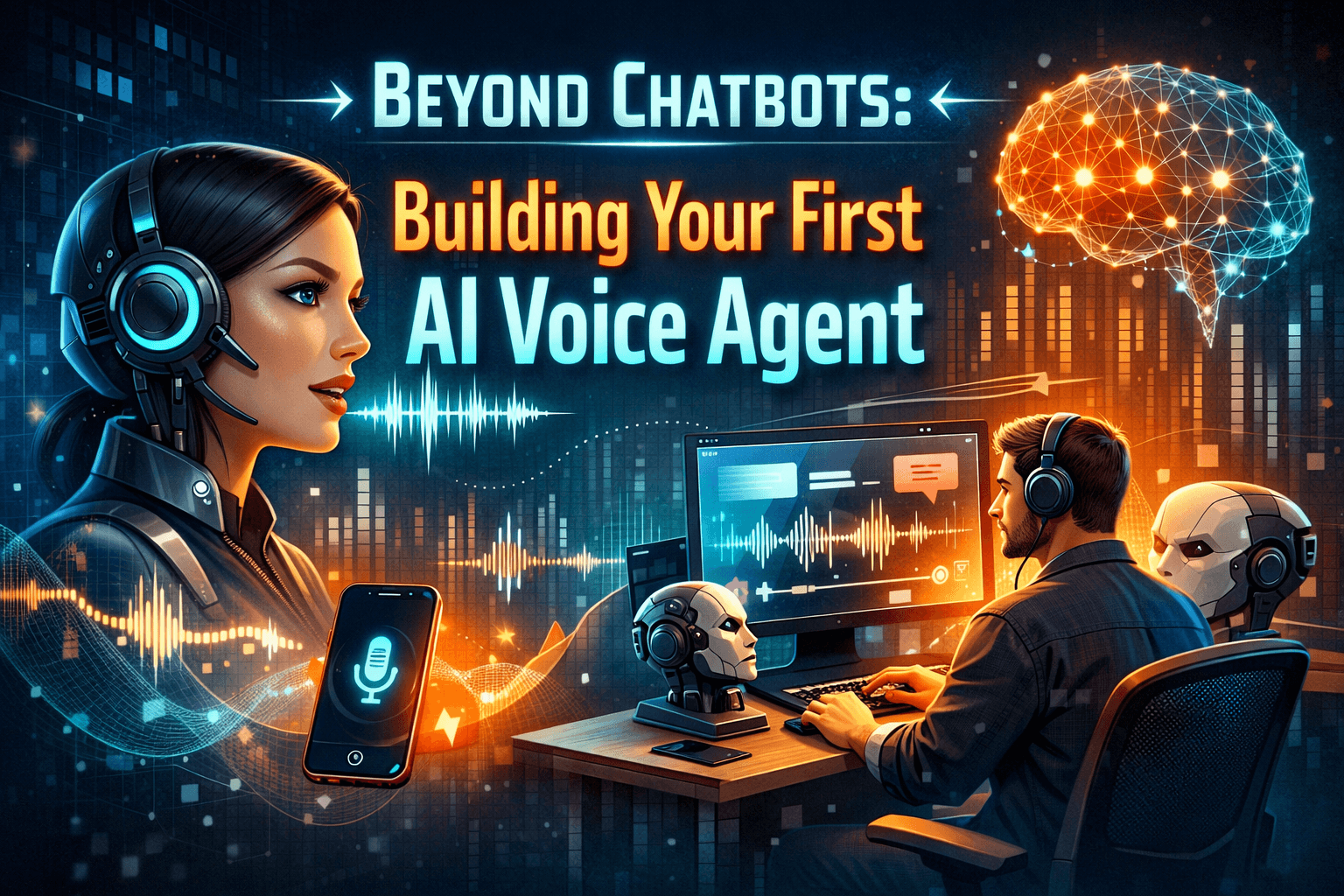
Beyond Chatbots: Building Your First AI Voice Agent
What if your application could listen, understand, and respond instantly in a natural human voice? What if users didn’t need keyboards, screens, or even typing, just conversation? In this hands-on guide, you’ll go beyond text-based bots and build your very first real-time AI voice agent using Python, LiveKit, and OpenAI’s Realtime API. From speech-to-text and large language models to natural-sounding voice synthesis and real-time streaming infrastructure, you’ll learn how each layer works and how to connect them into a production-ready system. This isn’t theory. It’s a practical, step-by-step walkthrough designed for developers who want to move from “AI experiments” to real-world voice applications. By the end of this blog, you won’t just understand voice agents you’ll have built one. The future of AI isn’t typed. It’s spoken.
.png&w=3840&q=75)
Making LLMs Use GraphQL APIs (Without Wasting Tokens)
GraphQL works well with LLMs because models can request only the fields they need, reducing tokens and context waste. Instead of dumping the entire schema, a search → introspect → execute pattern enables efficient, incremental discovery and more reliable query generation.